Sonos vs professional distributed audio: the honest truth.
2026-09-21 · Obsidian Audio Video · Houston
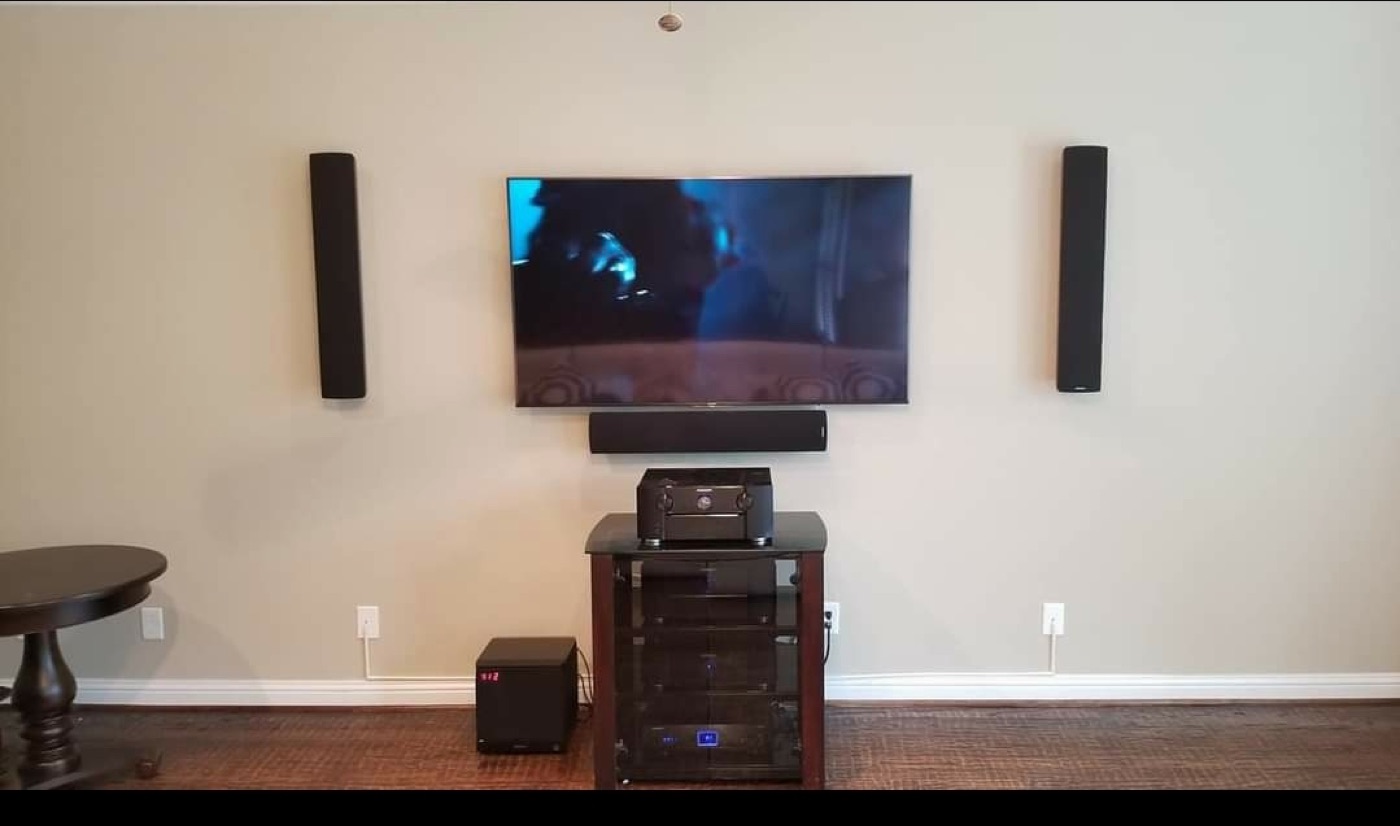
Sonos is the most popular consumer wireless audio system in the world, and for good reason — it's easy to set up, the app works, and it sounds fine. But when you're building a 12-zone whole-home audio system with in-ceiling speakers, Crestron/Control4 integration, and reliable multi-room streaming, the comparison gets more nuanced. We install both Sonos and professional distributed audio systems in Houston homes, and the right choice depends on your home, your budget, and how you plan to use the system. Let's break down the honest truth.
Where Sonos wins
Sonos is genuinely excellent for what it is: a consumer-grade wireless audio system that anyone can set up and control from their phone. If you're in a condo in River Oaks or a townhome in Montrose with 3–4 rooms of audio, Sonos is probably the right answer.
- Simplicity: Buy a speaker, plug it in, the app finds it. No programming, no dealer installation, no control system. Anyone can do it in 15 minutes.
- Cost: A Sonos Amp with a pair of in-ceiling speakers is one of the least expensive ways to add a zone. A professional zone with an architectural speaker and a multi-zone amplifier costs more per zone.
- App quality: Sonos has one of the most polished apps in consumer audio. It supports every streaming service natively (Spotify, Apple Music, Amazon Music, Tidal, Pandora), and grouping zones is intuitive. The Crestron and Control4 apps are functional but not as polished.
- Self-service: If something breaks, you can troubleshoot it yourself. No dealer visit required. This matters for a second home or a rental property.
Where professional distributed audio wins
Professional distributed audio — systems built on Crestron, Control4, Savant, or even standalone multi-zone amplifiers like those from AudioControl or Origin Acoustics — costs more but delivers capabilities that Sonos simply can't match. Here's where the professional systems pull ahead:
- Integration: Crestron, Control4, and Savant integrate audio with lighting, shades, climate, security, and video. One "Good Morning" scene brings up the lights, opens the shades, sets the thermostat, and starts jazz in the kitchen and news in the living room. Sonos integrates with these systems but it's a one-way integration — the control system can tell Sonos what to play, but Sonos can't trigger the control system.
- Reliability: Professional systems use wired connections (not Wi-Fi) for audio transport. In a 6,000 sq ft home in The Woodlands with 14 zones, Wi-Fi is unreliable. Professional systems use structured Cat6 cabling to DSP amplifiers, which means zero audio dropouts and no interference from your neighbor's microwave.
- Sound quality: Professional amplifiers (Crestron, AudioControl, Cambridge Audio) deliver cleaner power than Sonos's built-in Class D amps. A Crestron DM amp driving a pair of James Loudspeaker in-ceiling speakers sounds noticeably better than a Sonos Amp driving the same speakers — tighter bass, cleaner highs, more headroom.
- Scale: Large Sonos installations can become less reliable as zone counts grow: zones drop, rooms fall out of sync and the app slows down. Professional systems scale to 64+ zones without breaking a sweat because they're not relying on Wi-Fi mesh networking.
- Centralized source control: A professional system can have a central rack with a Kaleidescape movie server, a turntable, and a cable box, all controllable from any zone. Sonos doesn't support centralized sources in the same way — each zone is essentially independent.
- Keypads: Physical keypads on the wall for volume and source control. Lutron RadioRA 3 keypads integrated with the audio system mean you can control volume from a keypad without pulling out your phone. Sonos has the Sonos Keypad, but it's limited and requires the Sonos Amp.
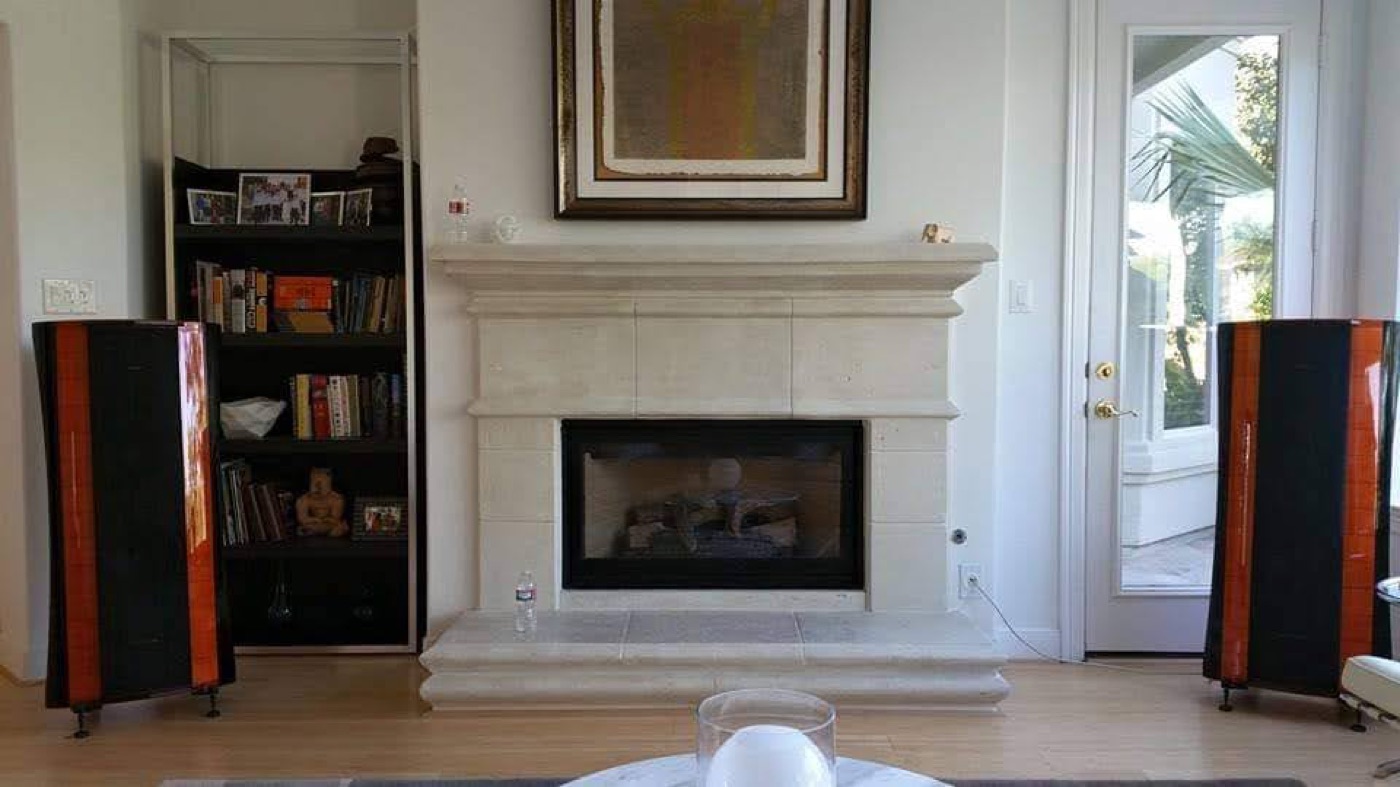
When to use which
Here is a practical framework for choosing between them. It's not about which is "better" — it's about which is right for your specific situation.
- Sonos for: 2–6 zones, standalone audio (not integrated with other smart home systems), budget-constrained, existing home where running wire isn't practical, or a second home/condo where you want self-service simplicity.
- Professional for: 8+ zones, integrated with Crestron/Control4/Savant/Lutron, new construction (where we can pre-wire during construction), luxury homes over 4,000 sq ft, or homes where the audio system needs to integrate with scenes (lighting, shades, video).
The hybrid approach
There's a third option we use frequently: Sonos as the source, integrated into a professional control system. We install a Sonos Port as a source on a Crestron or Control4 system. The Port streams from all the services Sonos supports (which is everything), and the control system handles volume control, zone routing, and integration with lighting and shades. You get the best of both worlds — Sonos's streaming reliability and app, with the control system's integration and wired reliability. This is the approach we often recommend when the homeowner wants streaming simplicity but also wants whole-home automation.
How the costs compare
For the same number of zones, a Sonos system costs considerably less than a Crestron distributed audio system. The cost difference is real, but so is the capability difference. The Sonos system is a music system. The Crestron system is a whole-home automation platform that happens to include music. In a large home that will also have whole-home automation, professional distributed audio is usually the better fit.
Not sure which system? Explore distributed audio options or call 346-357-5323.